When an electrical problem disrupts your home, the visible symptom is rarely the full story. Our repair process begins with diagnosis — identifying the actual fault before recommending a solution. From tripping breakers and dead outlets to flickering lights and overheating connections, we trace the problem to its source.
Electrical repair is not about replacing the first component that looks suspicious. A tripping breaker may be caused by a wiring fault downstream. A dead outlet may result from a loose connection two junctions away. Flickering lights can originate at the fixture, the switch, a connection point, or the circuit itself.
Our approach to electrical repair in Atlanta starts with systematic evaluation. We test circuits, check connections, inspect wiring, and use diagnostic procedures to isolate the actual fault. Once the source is confirmed, we recommend the appropriate repair — whether that involves replacing a device, repairing a connection, correcting a wiring problem, or addressing a panel-level issue. If you are looking for local electrical services that prioritize accurate diagnosis, our team evaluates each situation individually.
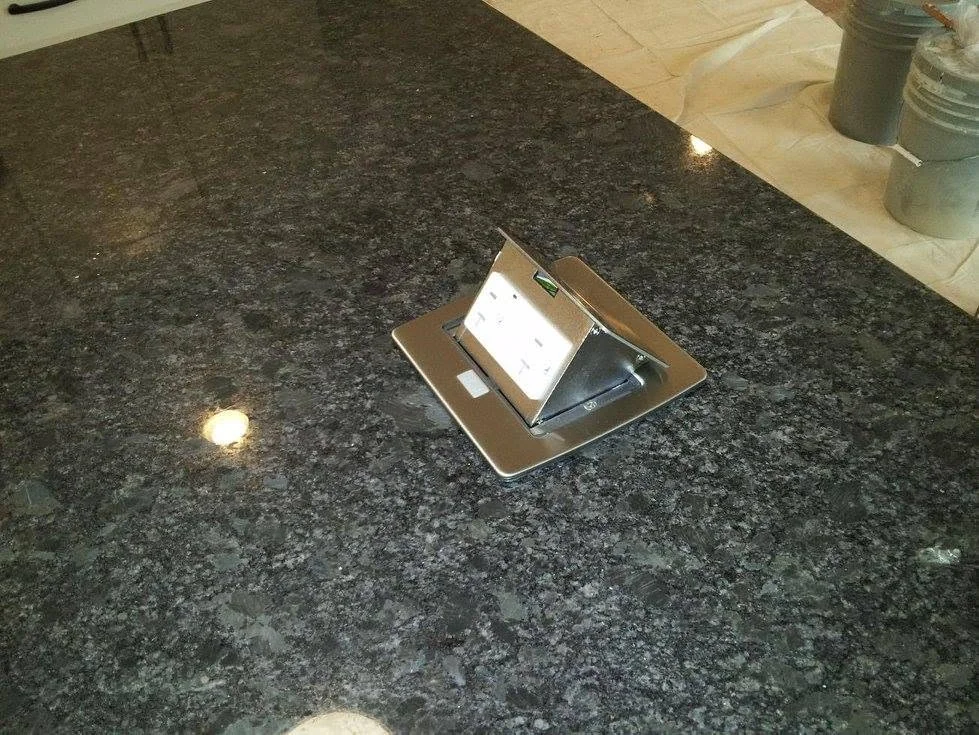
These symptoms can indicate an underlying electrical problem that warrants professional evaluation.
A breaker that won't stay on after resetting may indicate an overload, short circuit, ground fault, or failing breaker — each requiring different corrective action.
A suddenly dead outlet or switch can result from a tripped upstream GFCI, a loose wire, a damaged device, or a circuit fault that isn't visible at the device itself.
Intermittent flickering can be caused by a loose connection, a failing fixture, dimmer incompatibility, or a deeper circuit problem that requires testing to isolate.
An unusual odor or heat at an outlet, switch, or panel can indicate overheating from a loose connection, overloaded circuit, or damaged component. This warrants prompt evaluation.
Buzzing at an outlet, switch, or panel can indicate a loose connection, an arcing condition, or a device operating outside its rated capacity.
Losing power to certain rooms or circuits while others remain on can indicate a tripped breaker, a loose service connection, or a utility-side issue requiring professional diagnosis.
The scope of each repair depends on the diagnosis. Common electrical repair work includes:
Systematic testing to identify the actual fault location within a circuit — not just the visible symptom.
Replacement of damaged or failing receptacles, switches, and devices including GFCI and AFCI-protected locations.
Correction of loose, damaged, or improperly made wire connections that can cause overheating, arcing, or intermittent failures.
Testing and replacement of failing or tripping breakers after confirming the breaker is the actual source of the problem.
Understanding what causes electrical failures helps illustrate why professional diagnosis matters.
Connections that have loosened over time due to thermal cycling, vibration, or improper original installation can cause intermittent failures, overheating, and arcing.
Circuits carrying more load than they were designed for — especially in older homes with limited circuit counts — can cause breaker tripping and overheating.
Insulation that has deteriorated, conductors that have been damaged during renovations, or wiring that has been improperly modified can create fault conditions.
Water exposure in outdoor boxes, crawl spaces, or areas with plumbing proximity can cause corrosion, ground faults, and device failure.
We inspect the affected area, test circuits, and gather information about the symptoms and when they occur.
Systematic testing to trace the problem to its actual source — connections, devices, wiring, or panel components.
Targeted repair addressing the confirmed fault with appropriate methods and materials.
Verification that the repair resolved the issue, the circuit operates correctly, and the work area is clean.
Atlanta homes span a wide range of ages and construction methods. Older properties in neighborhoods like Virginia-Highland, Grant Park, or East Lake may have original knob-and-tube remnants, undersized panels, or wiring modified over decades. Newer construction can still experience installation or connection issues.
The Atlanta climate adds another variable — humidity, severe storm activity, and temperature swings can stress outdoor connections, weatherheads, and service entrance equipment. Our repair approach identifies actual conditions before recommending a solution.
Describe your electrical concern and we will schedule a convenient time to evaluate the problem at your property.
